Can Storytelling Help Solve Long-Term Care’s Workforce Crisis?
Can Storytelling Help Solve Long-Term Care’s Workforce Crisis?
Long-term care has a workforce problem that cannot be explained by labor shortages alone. Across nursing homes, assisted living communities, and other care settings, providers are competing for workers in an environment where the work is demanding, emotionally intense, and often misunderstood by the public. Caregivers are asked to provide not only physical support, but also patience, consistency, emotional presence, and trust. Yet much of this work remains invisible.
Part of the challenge is perception. Many people encounter long-term care only through crisis-driven headlines, family emergencies, or policy debates about staffing and regulation. As a result, the field is often associated with burden, decline, and institutional care rather than skill, purpose, and human connection.
That perception affects recruitment and retention. If potential workers do not see long-term care as meaningful, respected, or professionally valuable, they are less likely to enter the field. And if current workers feel unseen, they are more likely to burn out or leave.
The Problem with How Long-Term Care Is Usually Portrayed
Long-term care is often discussed through the language of crisis. Public conversations tend to focus on staffing shortages, regulatory pressure, facility ratings, safety concerns, and the rising cost of care. These issues are important, but they rarely capture the full reality of what happens inside long-term care communities every day.
When the sector is viewed only through problems, the people doing the work can disappear from the conversation. The caregiver helping a resident feel safe, the nurse building trust with a family, the activities director creating moments of joy, and the administrator holding a team together are often reduced to numbers on a staffing chart.
This creates a narrow and often discouraging image of the field. Long-term care becomes associated with decline and burden rather than relationships, purpose, and professional skill. For workers, that lack of recognition can be deeply demoralizing. For potential recruits, it can make the field feel less attractive before they even understand what the work truly involves.
What People Worth Caring About Adds to the Conversation
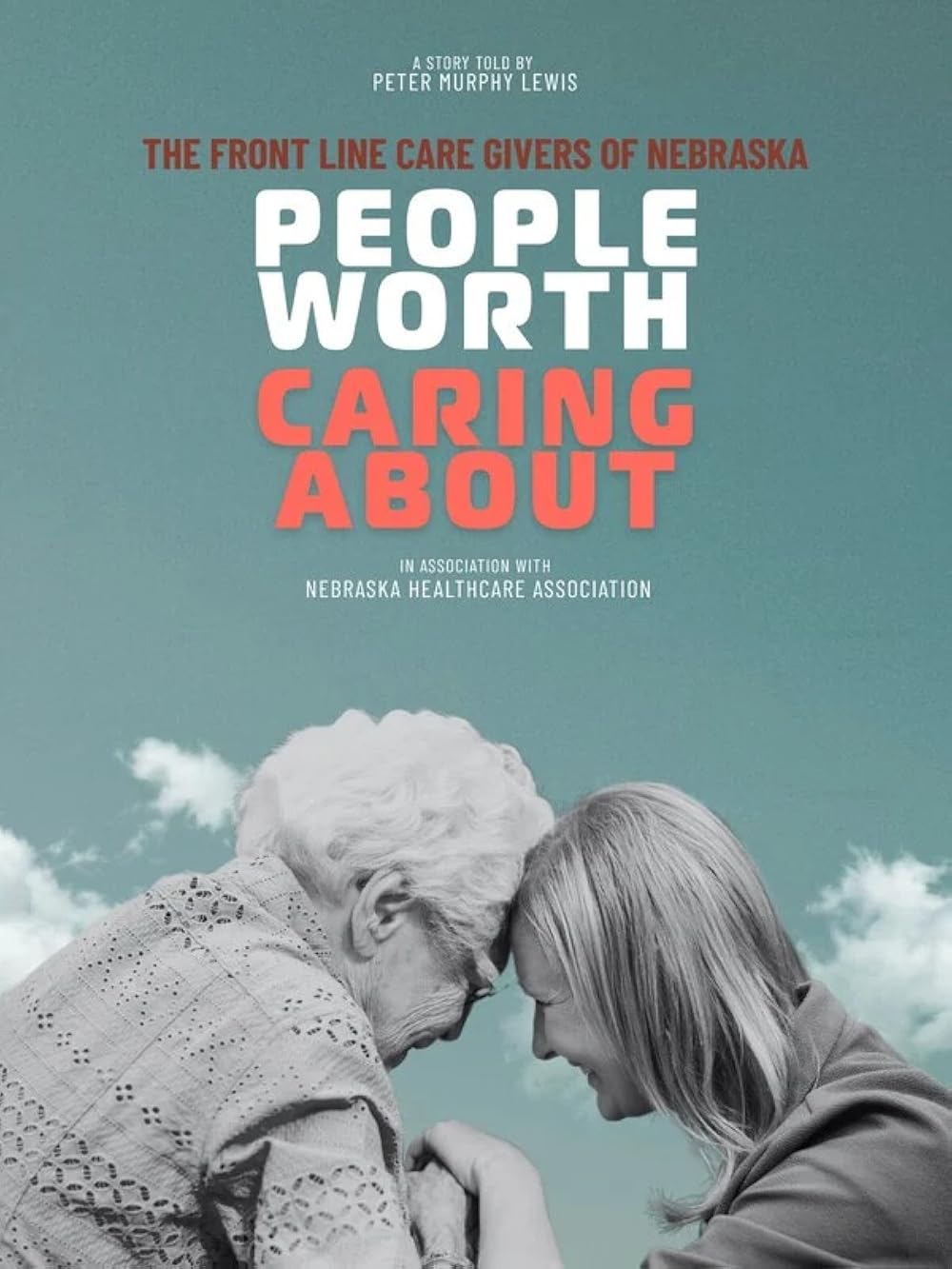
This is where People Worth Caring About offers a different kind of contribution. Instead of approaching long-term care only through statistics, policy, or workforce data, the series puts the focus back on people. It shows the caregivers, nurses, residents, families, administrators, and support teams who shape daily life inside care communities.
That matters because long-term care is deeply relational work. It is not only about completing tasks or meeting clinical requirements. It is about helping someone feel known, safe, respected, and connected. A caregiver may be assisting with daily needs, but they are also building trust. A nurse may be managing care, but they are also reassuring families. A resident may be receiving support, but they are also bringing a lifetime of experience, personality, and relationships into the community.
By telling these stories, People Worth Caring About helps challenge the assumption that LTC work is low-skill, invisible, or purely routine. It highlights the emotional intelligence, patience, resilience, and professionalism required to care for older adults and vulnerable people well.
In that sense, the series is not just a documentary project. It is a reputation-building tool for the LTC sector. It gives the public a fuller picture of what care work actually involves and gives the people doing that work the recognition they are too often denied.
How Storytelling Can Support Recruitment
Recruitment in long-term care is not only about filling open roles. It is also about helping people see themselves in the work. Many potential workers may never consider LTC because they do not understand what the field offers beyond the most basic job description. They may see caregiving as difficult, low-status, or emotionally draining without also seeing the purpose, relationships, and growth that can come with the role.
Storytelling helps close that gap. A well-told story can show what a job posting cannot: the trust built between a caregiver and resident, the pride of a team that supports one another, or the sense of meaning that comes from helping someone live with dignity. These stories make the work easier to understand and easier to value.
This is especially important for younger workers, healthcare students, career changers, and people looking for purpose-driven work. They are not just choosing a paycheck; they are choosing where to invest their time, energy, and identity. If long-term care wants to compete for talent, it has to show people why the work matters.
People do not join a workforce crisis. They join a mission, a team, and a story they can see themselves becoming part of.
How Storytelling Can Improve Retention and Morale
Storytelling also matters for the people already working in long-term care. Recruitment brings people into the field, but recognition helps give them a reason to stay. When caregivers feel that their work is invisible, misunderstood, or undervalued, it becomes easier for burnout to take root. The emotional weight of the job can feel heavier when the public does not see the skill and care behind it.
Human-centered stories can help change that. When LTC workers see their daily work reflected with dignity and respect, it can strengthen pride, belonging, and morale. It reminds teams that their labor is not just a series of tasks, shifts, and care plans. It is part of something larger: helping people live with comfort, safety, and human connection.
These stories can also become useful inside care organizations. They can support employee recognition, onboarding, leadership communication, and team culture. A powerful story about a caregiver’s impact can do more than celebrate one person; it can reinforce the values of the entire organization.
Workers who feel seen are more likely to feel valued. And in a sector where retention is just as urgent as recruitment, that visibility matters.
The Limits of Storytelling
Storytelling can help change how people see long-term care, but it cannot solve the workforce crisis on its own. The sector still needs practical, structural solutions: better staffing support, stronger training, competitive compensation, clearer career pathways, healthier workplace cultures, and leadership that listens to frontline teams.
This distinction matters. Stories should never be used to romanticize difficult working conditions or suggest that purpose alone is enough to sustain caregivers. Meaningful work still requires fair support. A powerful documentary can elevate the dignity of care, but it cannot replace the policies, resources, and operational changes needed to make LTC jobs more sustainable.
The real value of storytelling is that it can create the conditions for change. It can build public empathy, strengthen worker recognition, and help leaders make a stronger case for investment in the workforce. But if storytelling is not matched by action, it risks becoming a message without a solution.
For LTC leaders, the lesson is clear: tell better stories, but also build better systems behind them.
Why LTC Leaders Should Take Storytelling Seriously
For long-term care leaders, storytelling should not be treated as a soft marketing extra. It should be part of how the sector recruits workers, builds trust with families, strengthens team culture, and advocates for the resources it needs.
Families want to understand the people behind the care. Job seekers want to know whether the work has meaning. Policymakers and community partners need to see why investment in LTC matters. In each case, stories can communicate what statistics alone often cannot: the human value of the work.
Projects like People Worth Caring About show how LTC can speak with more authenticity and emotional clarity. By highlighting real caregivers, residents, and care teams, the sector can move beyond crisis-driven messaging and show the public a more complete picture of long-term care.
This matters because perception shapes action. When people see LTC as meaningful, skilled, and deeply human work, they are more likely to respect it, support it, and consider becoming part of it.
Storytelling Is Not the Whole Solution, But It Is Part of the Solution
So, can storytelling help solve long-term care’s workforce crisis? Not by itself. The sector still needs better systems, stronger support, and real investment in the people providing care every day. But storytelling can help solve one of LTC’s most damaging problems: invisibility.
When caregivers are seen, their work is more likely to be valued. When their work is valued, more people may be willing to join the field, stay in it, and advocate for its future. That is why projects like People Worth Caring About matter. They remind the public that long-term care is not only a setting, a service, or a policy challenge. It is a human community built around trust, dignity, and connection.
Long-term care does not just need more workers. It needs more people to understand why the work matters.
